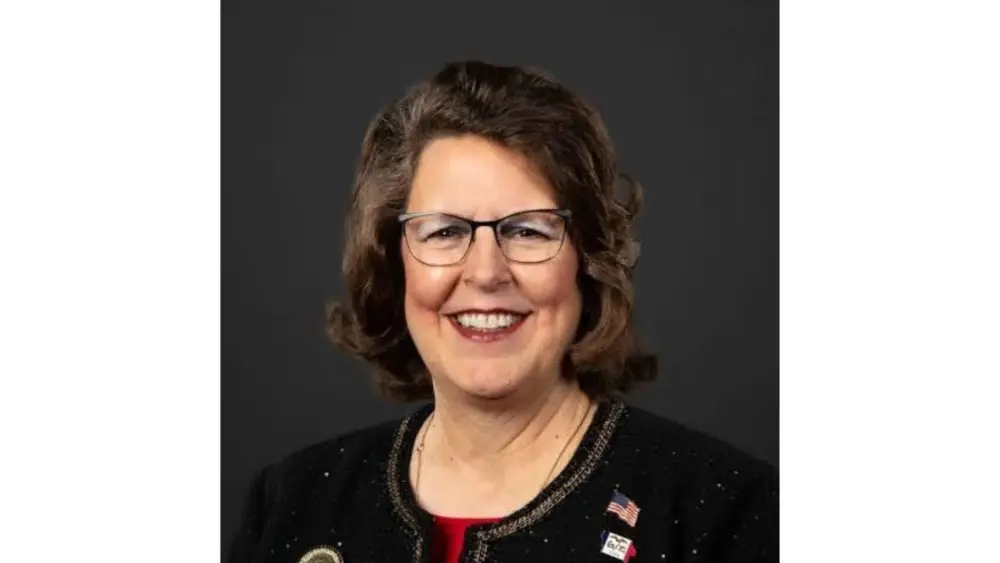


Republican Congressman Randy Feenstra says finding new markets for U.S. soybeans amid China’s boycott of American beans should be the priority, and federal trade disruption payments should be a last resort.
“I think most farmers, we don’t want to take subsidy checks, but if that’s the last resort we’ll go down that path,” Feenstra says, “but for me it’s all about how do we create more export markets.”
Japan is the sixth-largest foreign buyer of U.S. soybean products and promised in September to buy $8 billion in U.S. agricultural commodities.
“We’ve had a lot of successes with Japan…Taiwan, Vietnam, UK, but we’ve got to try to get that market open in India and China,” Feenstra says. “I know China’s been our adversary and they’ve, you know, over the last three decades treated us really bad when it comes to trade, but I think there’s opportunity there.”
Feenstra says farmers will benefit from some subsidy-related changes in the “One Big Beautiful Bill” President Trump signed in July.
“This is the big thing for all of the farmers right now, we increased the reference prices for corn,” Feenstra says. “Corn was at $3.70. Now that reference price is at $4.10 and beans went from $8.40 to 10 bucks.” Under the U-S-D-A’s Price Loss Coverage Program, payments to farmers are triggered when the national average price for corn and soybeans falls below those so-called “reference prices.”
Under the USDA’s Price Loss Coverage Program, payments to farmers are triggered when the national average price for corn and soybeans falls below the so-called “reference prices.”
Feenstra, who was first elected to the U.S. House in 2020, is planning to run for governor in 2026.