Two weeks ago on KLMJ’s Outdoors in North Iowa program, Franklin and Wright County Naturalist Aubrey Brandt explained how many of Iowa’s mammals survive winter through hibernation or a lighter state known as torpor. But mammals aren’t the only animals facing Iowa’s brutal cold.
On her latest appearance, Brandt shifted the focus to cold-blooded wildlife, explaining how reptiles and amphibians endure winter when they can’t regulate their own body temperatures. From brumation to underground shelters, Brandt says these animals have remarkable strategies for surviving the season.
“They have to rely on external sources to keep warm. During the winter, reptiles enter a form of torpor called brumation. Again, their metabolism slows drastically and they become dormant for a period of time, but they will awaken to drink, eat and bask. As temperatures begin cooling down, snakes will begin seeking sheltered spots like underground dens, rocky crevices, rotting logs, or even basements to stay safe from the cold. These places are called hibernaculums. Some species of snakes will even huddle together in large groups to conserve warmth and moisture and emerge on warmer days to bask.”
Brandt says turtles have unique ways to survive Iowa winters. Terrestrial turtles burrow underground like snakes, while aquatic turtles bury themselves in mud, leaf litter, or submerged logs. Remarkably, they can absorb oxygen through their skin—and even their cloaca—allowing them to stay underwater for long periods. Some, like painted turtles, can survive freezing or low-oxygen conditions using calcium from their shells to neutralize lactic acid.
Brandt says like turtles, amphibians have developed clever strategies to endure winter’s chill.
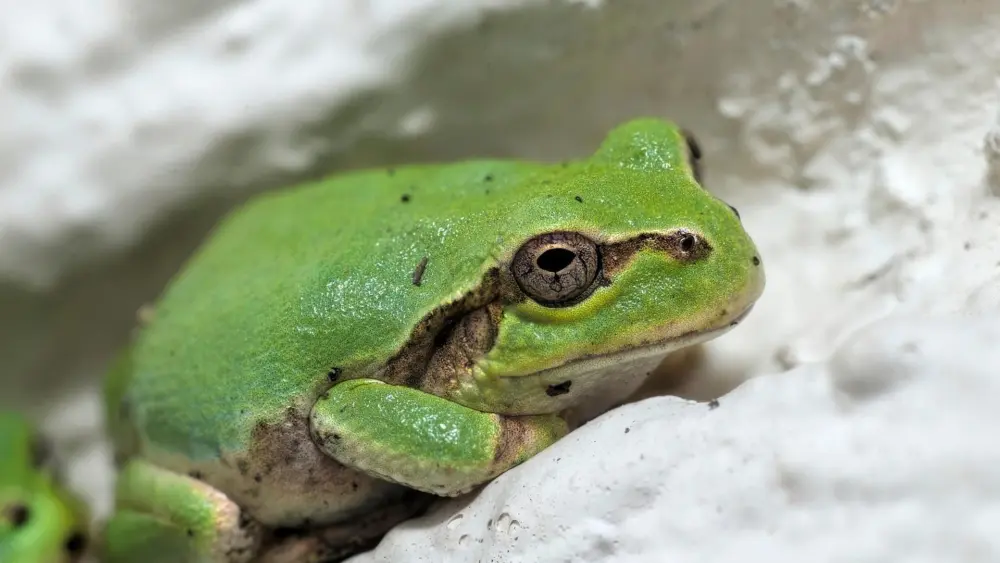
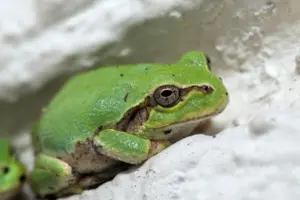
“Aquatic frogs will often bury themselves at bodies of waters like aquatic turtles. Toads and salamanders are primarily terrestrial, which survive underground in high vernacolums like snakes and terrestrial turtles. Some species like wood frogs and gray tree frogs do not go underground instead hide in leaf litter on land, rock crevices, or logs. However, they have a very unique adaptation. Their bodies produce high levels of glucose in their vital organs, which acts like an antifreeze, preventing ice crystals from forming in damaging cells.”
From mammals that hibernate or enter torpor, to reptiles that brumate, Iowa’s wildlife uses a variety of strategies to survive the state’s winters. Brandt says these behaviors help animals stay safe and conserve energy until warmer weather returns.
Full interview below