Aubrey Brandt, a naturalist with Franklin and Wright County Conservation, reminds hunters and anglers that with most hunting seasons here, another threat is emerging in the wild—lead poisoning.
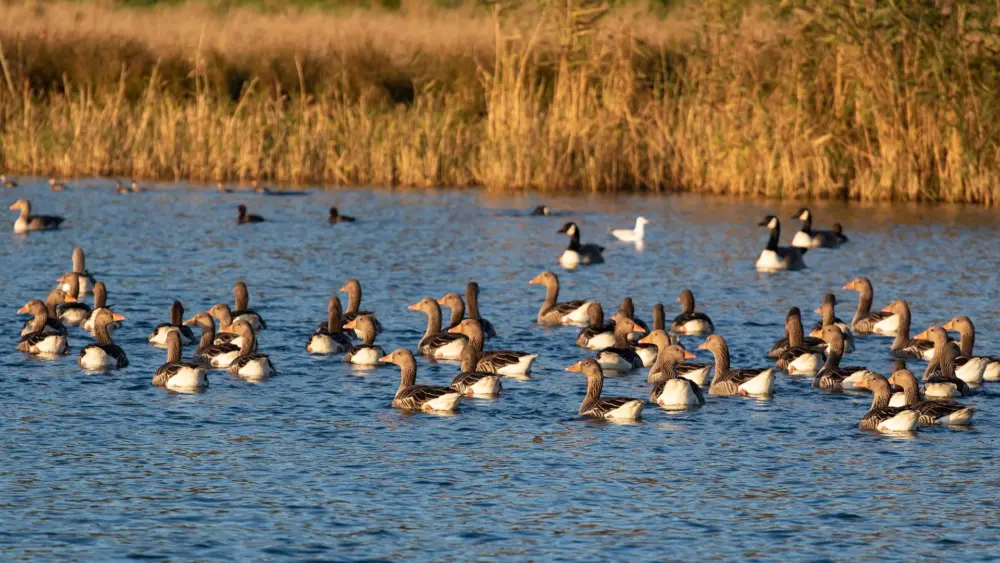
Lead from traditional ammunition and fishing tackle often enters the environment when fragments or sinkers are left behind. Brandt says wildlife, particularly scavenging birds such as bald eagles and vultures, as well as waterfowl like swans, ducks, and geese, are most at risk.
“Waterfowl typically get lead poisoning by consuming the lead tackle that gets left most often by broken lines. The scavengers are exposed to lead poisoning by consuming an animal that has lead in them. This often can be an animal that had been shot and escaped or an animal that had previously been exposed to lead. Lead is able to accumulate in many species and can spread through their blood stream.”
Once in the bloodstream, lead can damage organs and cause weakness, paralysis and death. Brandt says early signs include reduced activity and difficulty flying, while advanced cases show tremors and loss of coordination.
“Birds tend to drop their wings and usually can no longer fly and become thin. Typically, if a bird that is susceptible to lead poisoning is not moving much, not flying away, and is lethargic; it may have lead poisoning.”
Because symptoms of lead poisoning can resemble those of avian flu, Brandt urges the public not to approach sick birds. Instead, report sightings to a wildlife manager or the Franklin and Wright County Conservation office to ensure safe handling and protection of Iowa’s native wildlife.